Maximizing Efficiency and Cost-Effectiveness in Air Freight: The Ultimate Guide for Shipping Centers, Transportation, and Airports
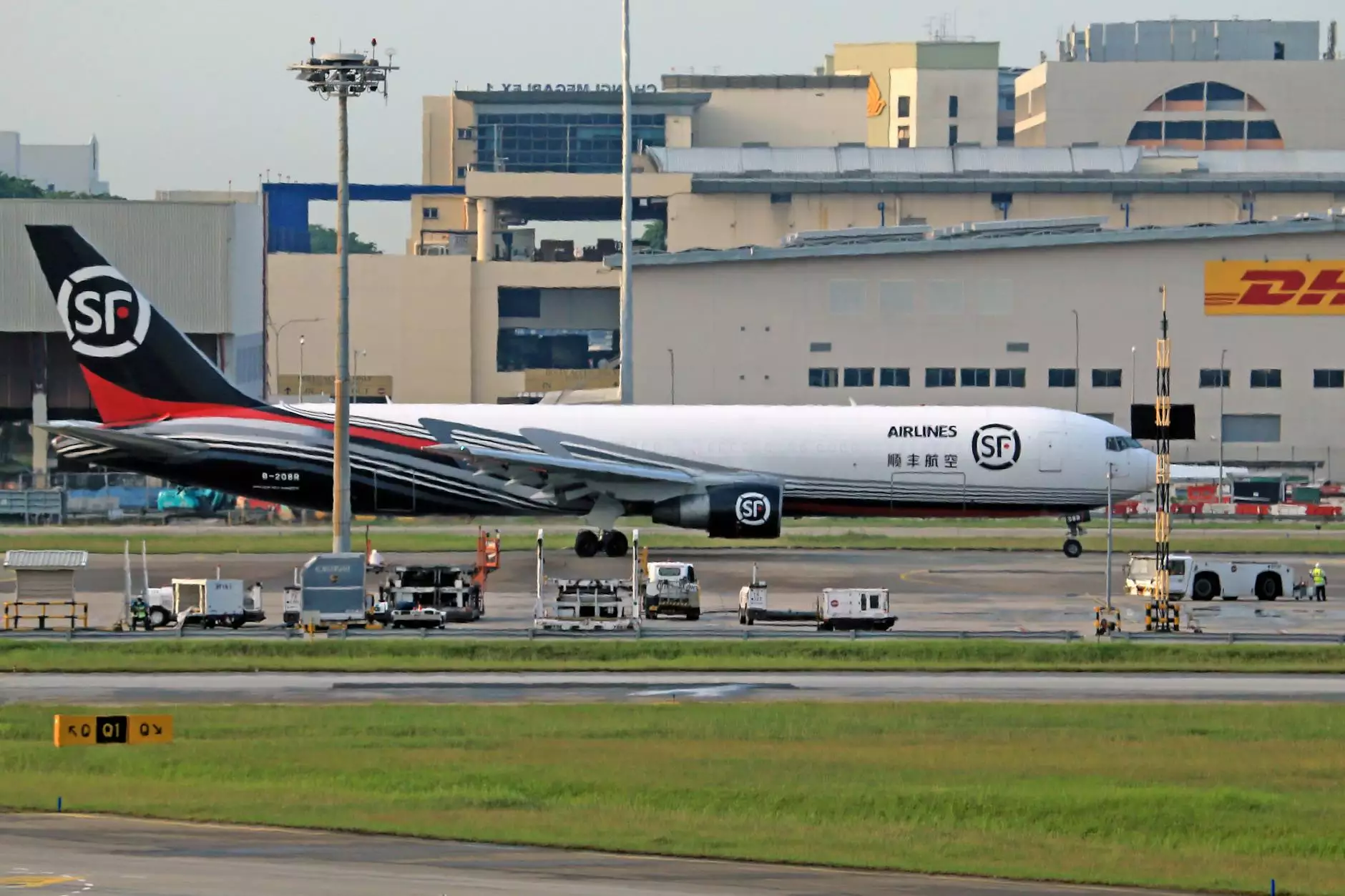
Logistics and air freight are the cornerstones of global trade, ensuring that goods move swiftly, efficiently, and economically across continents. As the demand for faster delivery increases, so does the importance of understanding the intricacies surrounding air freight costs per kilo. This comprehensive guide aims to peel back the layers of complex air cargo operations, offering invaluable insights for professionals in shipping centers, transportation agencies, and airports.
Understanding the Fundamentals of Air Freight Costs Per Kilo
Air freight costs per kilo are a critical metric that directly impacts pricing strategies, profit margins, and customer satisfaction. They represent the total charged fee for transporting one kilogram of cargo on an aircraft, encompassing a range of components such as fuel surcharges, security, handling fees, and airport charges.
Key factors influencing air freight costs per kilo include:
- Flight Distance and Route Complexity: Longer flights or less direct routes typically increase costs due to fuel consumption and operational expenses.
- Cargo Size and Weight: While weights are primary, the volume or dimensional weight can also affect pricing, especially for oversize or bulky cargo.
- Fuel Prices and Surcharges: Variations in global fuel prices directly influence air freight tariffs, often resulting in dynamic surcharges or adjustments.
- Airport and Handling Fees: Different airports charge varying handling, landing, and security fees, which are reflected in the per kilo cost.
- Market Demand and Capacity: Peak seasons or capacity shortages can raise costs due to increased demand for cargo space.
- Type of Cargo: Special cargo such as hazardous materials, perishable goods, or valuable items may incur additional premiums.
The Significance of Accurate Cost Calculation for Shipping Centers and Airports
For shipping centers, understanding the nuances behind air freight costs per kilo is essential for competitive pricing and service quality. Precise cost calculation helps in:
- Pricing Strategies: Offering competitive quotes that balance profitability and customer retention.
- Operational Planning: Forecasting expenses accurately for budgeting and resource allocation.
- Customer Transparency: Providing clarity on cost breakdowns enhances customer trust and satisfaction.
- Market Adaptability: Quickly adjusting prices in response to fluctuating costs fosters resilience in dynamic markets.
Similarly, for airports, managing expenses associated with cargo handling and infrastructure impacts overall costs and efficiency. Streamlining processes and adopting innovative solutions can significantly reduce costs per kilo, benefiting all stakeholders involved.
Strategies to Optimize Air Freight Costs per Kilo
Efficient management of air freight costs per kilo hinges on a combination of strategic planning and technological integration. Here are proven strategies to minimize costs while maintaining high-quality service:
1. Leverage Advanced Booking Systems and Digital Platforms
Utilizing digital cargo booking platforms such as Cargobooking.aero enables shipping centers and transportation providers to optimize cargo loads, select cost-effective routes, and manage operations in real time. These systems can analyze various parameters to suggest the most economical options, reducing unnecessary expenses.
2. Optimize Cargo Load and Packaging
Proper packaging and load optimization ensure maximum aircraft utilization, reducing the per kilo cost. Techniques such as unit load devices (ULDs) and dimensional weight calculations help in matching cargo size with aircraft capacity efficiently.
3. Negotiate Long-term Contracts with Airlines
Establishing reliable partnerships with preferred airlines can secure better rates and lower air freight costs per kilo. Long-term contracts often come with volume discounts and priority handling, translating into substantial savings over time.
4. Adopt Fuel Surcharges and Dynamic Pricing Models
Implementing flexible pricing strategies that incorporate real-time fuel surcharge adjustments helps adapt to market volatility. Transparency about these surcharges fosters trust with clients while maintaining profitability.
5. Invest in Staff Training and Technology
Training personnel in efficient cargo handling and utilizing state-of-the-art tracking and management tools contribute to streamlined operations, fewer delays, and lower costs.
The Role of Technology in Reducing Air Freight Costs Per Kilo
Technological advancements have revolutionized the air cargo industry. From AI-powered route optimization to blockchain-based documentation, technology plays a pivotal role in minimizing costs and increasing transparency:
- AI and Machine Learning: Predict demand patterns, optimize routes, and enhance load planning to lower operational expenses.
- Real-Time Tracking and Data Analytics: Enable proactive decision-making and prompt issue resolution, reducing delays and associated costs.
- Blockchain Technology: Streamlines documentation, reduces fraud, and speeds up customs procedures, thereby cutting costs and improving reliability.
- Automated Handling Equipment: Reduces labor costs and enhances safety during cargo loading and unloading.
The Future of Air Freight Costs: Trends and Predictions
Looking ahead, several factors are poised to influence air freight costs per kilo in the coming years:
- Growing Demand for E-commerce: Accelerates air cargo volumes, potentially driving prices upward unless capacity expands proportionally.
- Environmental Regulations: Increasing focus on sustainability may elevate costs due to stricter emission standards and investments in greener technologies.
- Urban Air Mobility and Drone Delivery: Emerging innovations could disrupt traditional pricing models by offering faster, more flexible solutions.
- Global Economic Fluctuations: Currency fluctuations, fuel price volatility, and geopolitical tensions will continue to impact costs dynamically.
Conclusion: How Shipping Centers, Transportation, and Airports Can Stay Competitive
In a rapidly evolving landscape, understanding air freight costs per kilo and implementing intelligent strategies are essential for maintaining competitiveness. Utilizing modern digital platforms like Cargobooking.aero empowers logistics providers to optimize operations, cut costs, and provide superior service.
By focusing on holistic cost management—encompassing route optimization, load efficiency, technological innovation, and strategic partnerships—businesses can unlock new levels of profitability and customer satisfaction. Embracing these practices is not merely recommended but vital for thriving in the dynamic, global air freight sector.
Ultimately, smarter logistics equals smarter business. The future belongs to those who leverage technology, strategic foresight, and operational excellence to navigate the challenges of air freight costs per kilo.